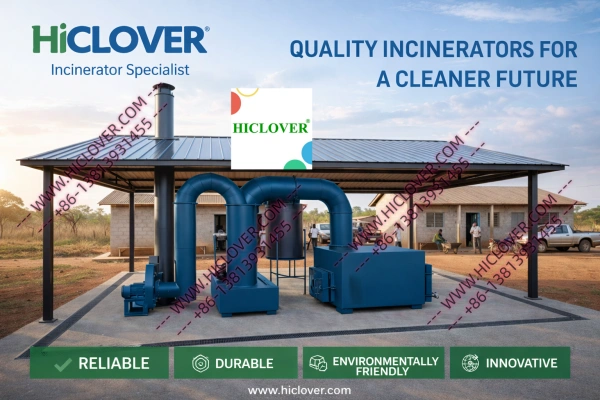
High-Temperature Incineration Solutions for Hazardous Waste Treatment and Recycling Bases As global regulations on hazardous waste (HW) management become stricter, hazardous waste treatment centers and recycling resource bases are under growing pressure to adopt disposal technologies that are safe, compliant, and scalable. In regions such as Southeast Asia, West Africa, Eastern Europe, and the Middle […]
Low-Temperature Controlled Incineration Solutions for Electronics Manufacturing and Battery Recycling Facilities The rapid expansion of the electronics manufacturing industry and lithium battery recycling sector has brought new challenges in managing complex industrial waste streams. From high-volume electronic assembly lines in East Asia and Southeast Asia, to emerging battery recycling workshops in Europe, North America, and […]
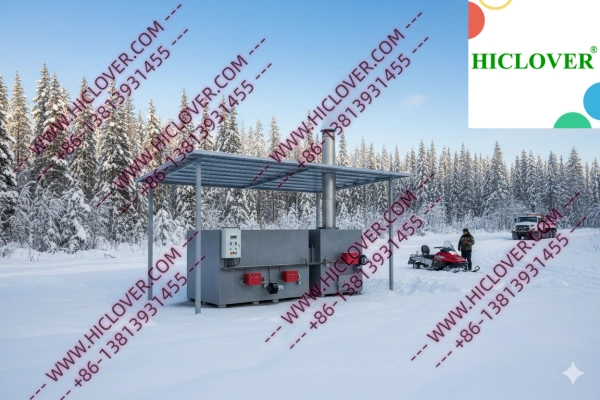
In remote regions where logistics are a nightmare and healthcare is a lifeline, managing biohazardous waste isn’t just a regulatory requirement―it’s a public safety necessity. For urban sanitation departments and medical waste transfer stations in isolated locales, transporting infectious materials over hundreds of miles is both risky and expensive. Solving the Logistics Gap in Remote […]
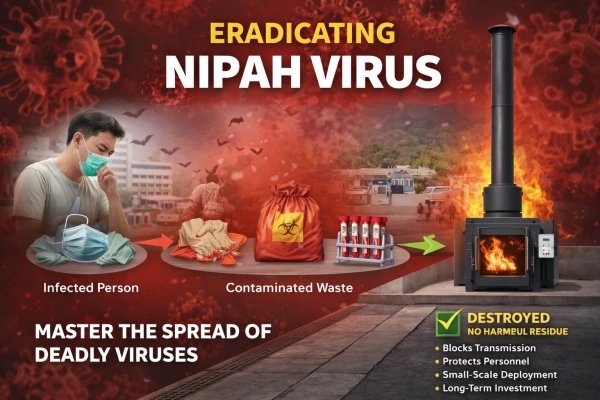
Waste Incinerator as a Frontline Defense Against Viral Outbreaks Managing Infectious Waste in the Era of COVID-19, Nipah Virus, Ebola, and Beyond From COVID-19 (SARS-CoV-2) to Nipah Virus, Ebola, H5N1 avian influenza, monkeypox (Mpox), and other zoonotic threats, recent years have reshaped how governments, healthcare systems, and industrial operators view infectious waste management. One conclusion […]

Waste Incinerator Solutions for Pandemic-Era Biosecurity Why Reliable Waste Incinerators Matter in the Age of Emerging Viruses Over the past decade, global public health has faced repeated challenges from emerging and re-emerging viral outbreaks, including COVID-19, Nipah Virus, avian influenza variants, and other zoonotic diseases. Each outbreak has revealed the same structural weakness: infectious waste […]
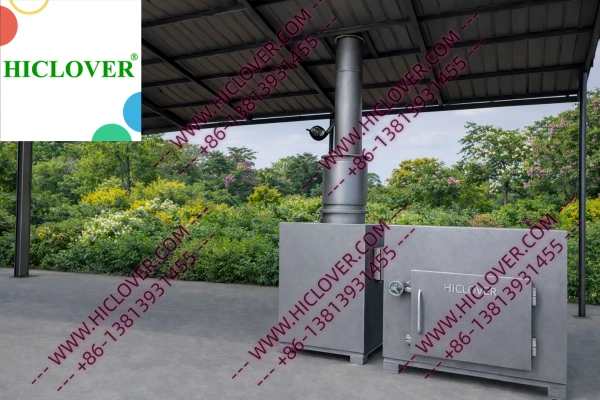
The Role of High-Temperature Incineration in Controlling Nipah Virus and Emerging Zoonotic Threats Emerging zoonotic viruses such as Nipah virus, Hendra-like viruses, and other high-fatality pathogens pose a persistent threat to public health systems, particularly in regions with close humanCanimal interaction, limited centralized waste infrastructure, and recurring outbreak risks. One of the most overlooked yet […]
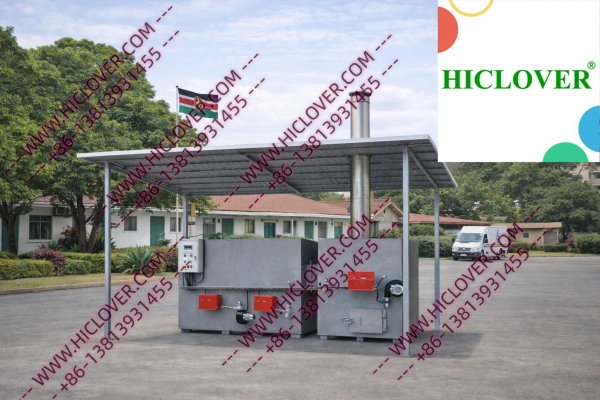
Global Nipah Virus Outbreak C Current Situation & Public Health Response In early 2026, a new outbreak of Nipah virus (NiV) has been confirmed in India’s West Bengal region, attracting urgent attention from global health authorities due to the virus’s high fatality and pandemic potential. Key Epidemiological Highlights (January 2026): Multiple confirmed NiV cases have […]
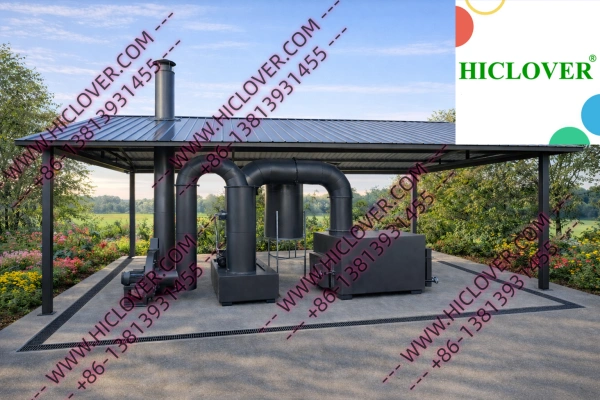
Pharmaceutical & Bio-Lab Waste Incineration for R&D Zones and Animal Laboratories HICLOVER Bio-Laboratory Dedicated Incinerator Solution (Secondary Combustion + Optional HEPA Filtration) Pharmaceutical plants and biological laboratories generate complex waste streams every day, especially in drug research and development zones and animal laboratories. Compared with ordinary municipal waste, laboratory waste is more sensitive because it […]
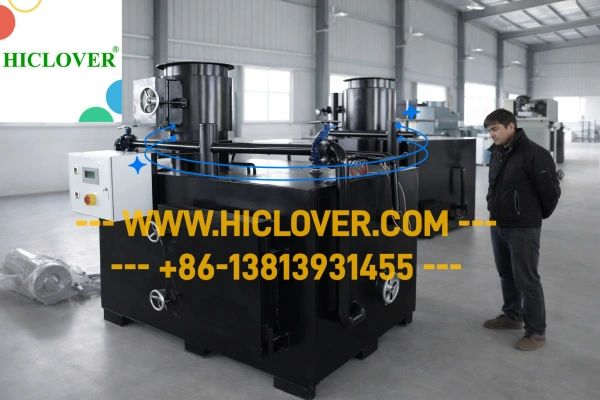
Incinerator Suppliers in Fiji: Choosing a Reliable Waste Incinerator for Island Operations and Clean Tourism Fiji is well known for its natural beauty, blue coastlines, and tourism-driven economy. But like many island nations, it faces a practical reality: waste volume grows faster than disposal capacity. Landfill space is limited, transport between islands is expensive, and […]

Incinerator Suppliers in Zambia: A Reliable Waste Incinerator Strategy for Mines, Cities, and Healthcare Sites Across Southern Africa, Zambia is accelerating infrastructure development, strengthening public health systems, and expanding industrial activity—especially in mining corridors and growing urban areas. At the same time, waste management pressure is increasing, driven by population growth, packaging consumption, and higher […]