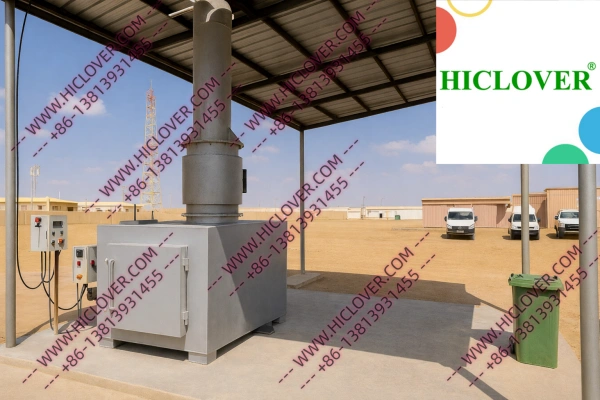
Incinerator Suppliers in Algeria: Industrial Waste Incinerator Solutions from a Direct Manufacturer As Algeria continues to invest in environmental protection, healthcare infrastructure, and industrial compliance, the demand for reliable waste incinerator systems is steadily increasing. Government hospitals, private clinics, oil & gas facilities, industrial zones, and municipal authorities are all seeking stable, efficient, and regulation-oriented […]
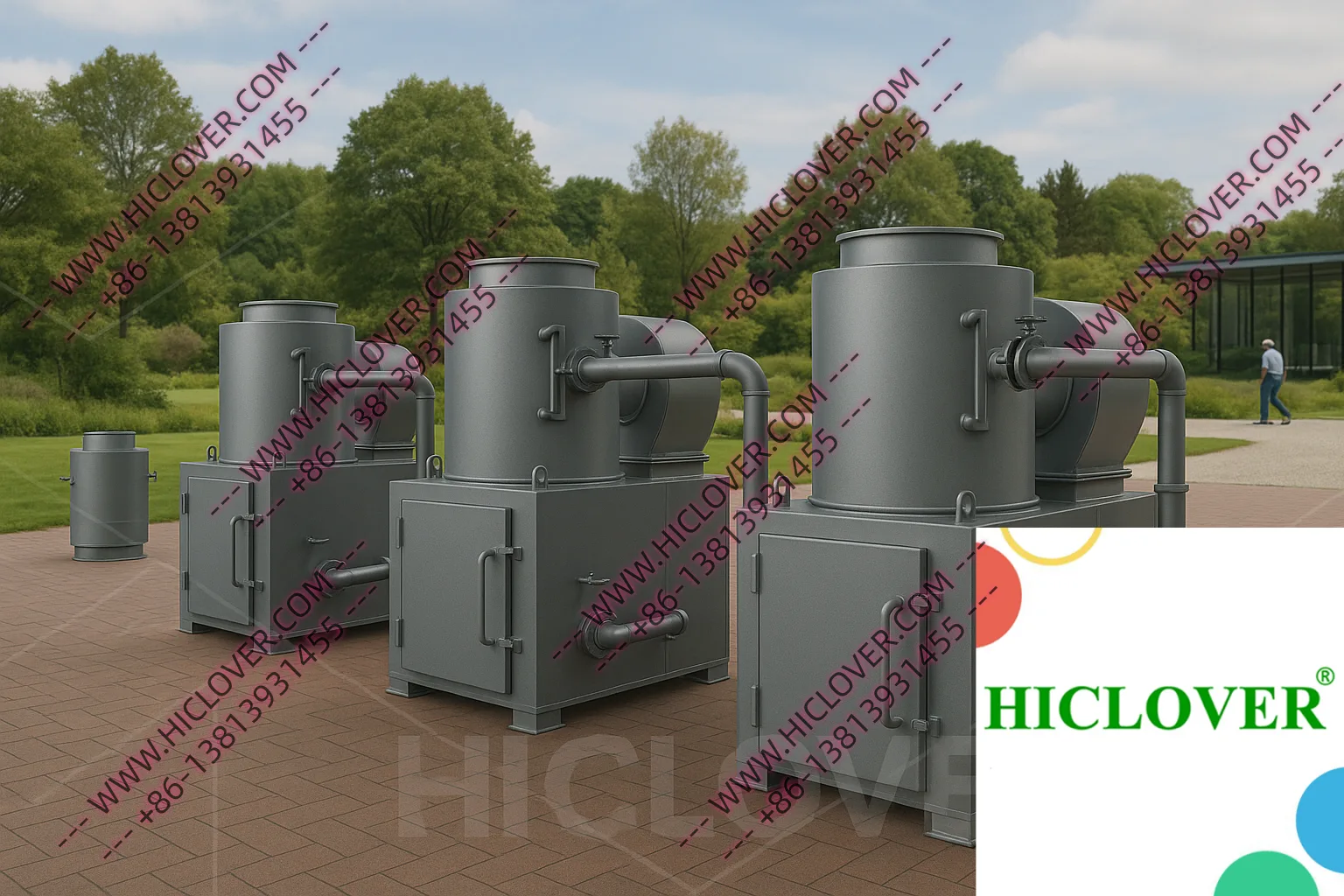
Incinerator Suppliers in Congo: Factory-Direct Waste Incinerator Solutions for Africa As environmental regulations tighten and public health awareness increases across Central Africa, the demand for reliable waste incinerator systems is growing rapidly. In this context, incinerator suppliers in Congo are no longer evaluated only on price, but on technology, delivery capability, automation level, and long-term […]
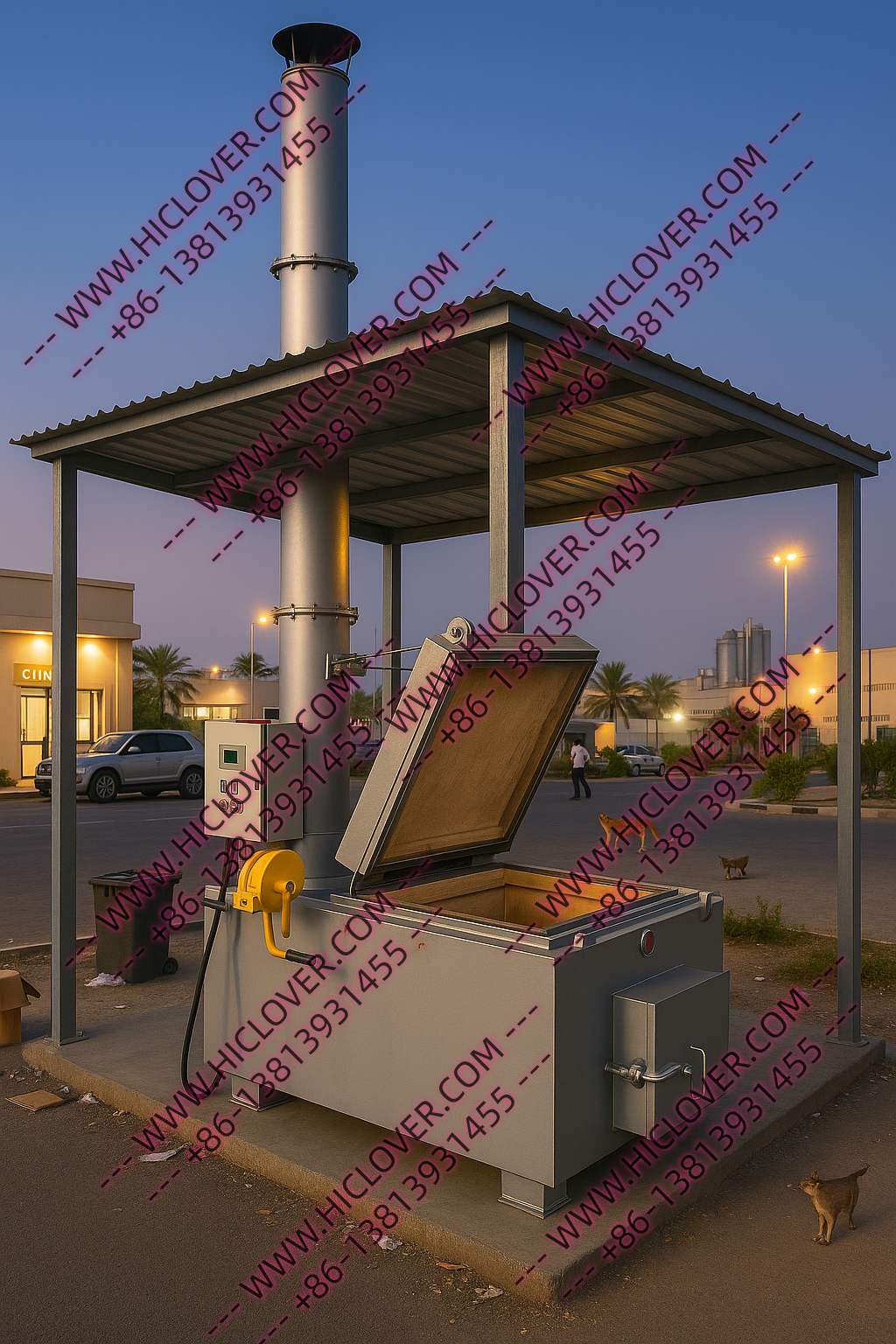
Top Incinerator Suppliers in Benin: Why HICLOVER is Leading the Waste Management Revolution In recent years, the rapid urbanization across West Africa has brought waste management to the forefront of environmental policy. As nations like Benin strive to meet global sustainability goals and improve public health, the demand for high-efficiency waste disposal solutions has skyrocketed. […]
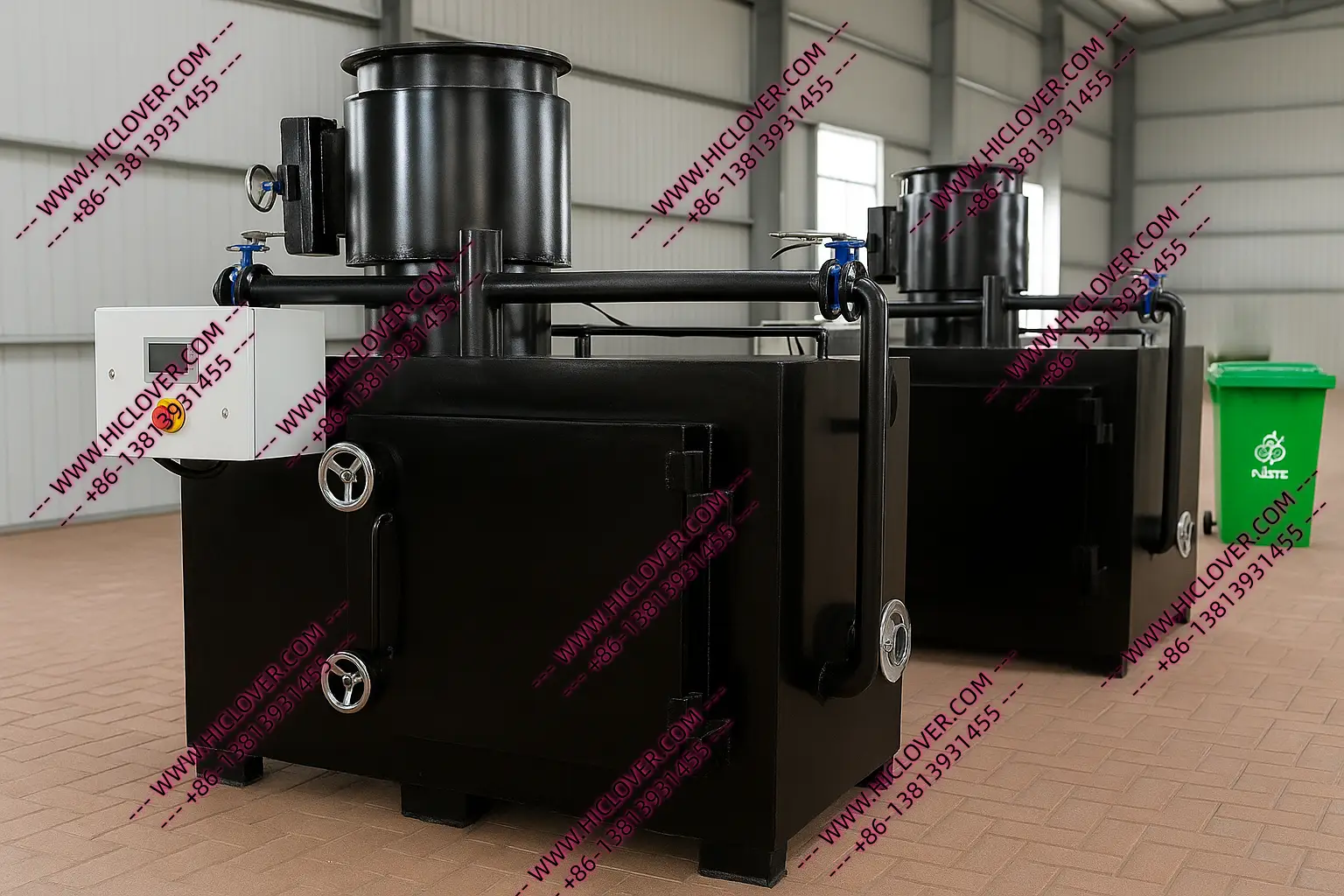
Medical Waste Incinerator Solutions for Private Clinics in Ghana Private clinics play an increasingly important role in Ghana’s healthcare system. In urban centers such as Accra and Kumasi, as well as in fast-growing secondary cities, private medical facilities handle a steady volume of infectious waste every day. Used needles, contaminated dressings, laboratory disposables, and expired […]
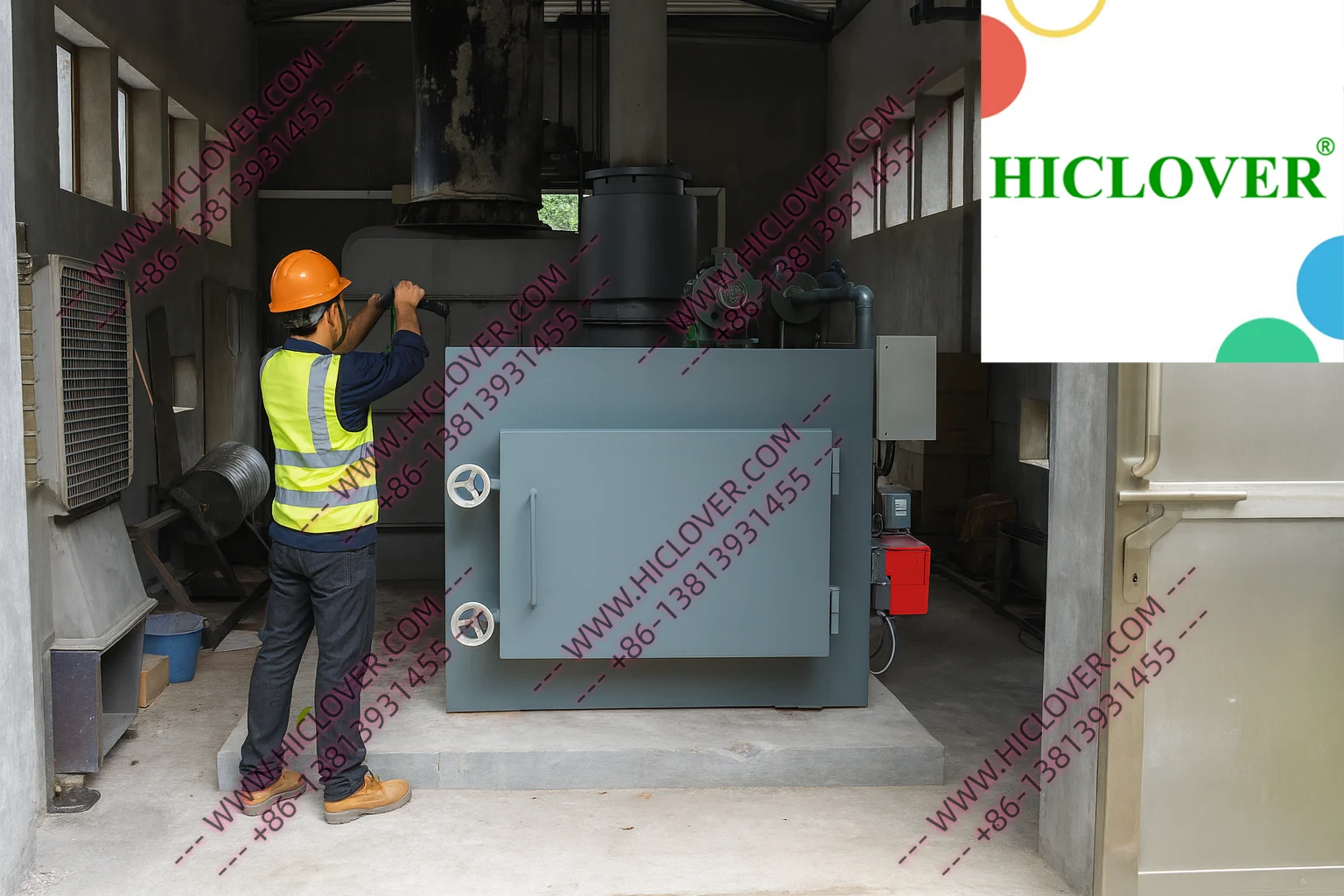
Medical Waste Incinerator Wet Scrubbing Systems in Ghanaian Hospital Settings In hospital compounds, waste handling is closely linked to daily infection control. Used syringes, contaminated dressings, pharmaceutical residues, and pathological waste cannot be stored for extended periods without increasing operational risk. In many healthcare facilities across Ghana, incineration remains a realistic and widely adopted treatment […]

Diesel Incinerator Solutions for Off-Grid Hospital Operations In many hospital settings, medical waste handling is shaped less by policy documents and more by daily constraints. Infectious waste, sharps, and pharmaceutical residues accumulate regardless of power availability, staffing levels, or site location. For hospitals operating with unstable or limited grid access, waste treatment systems must remain […]
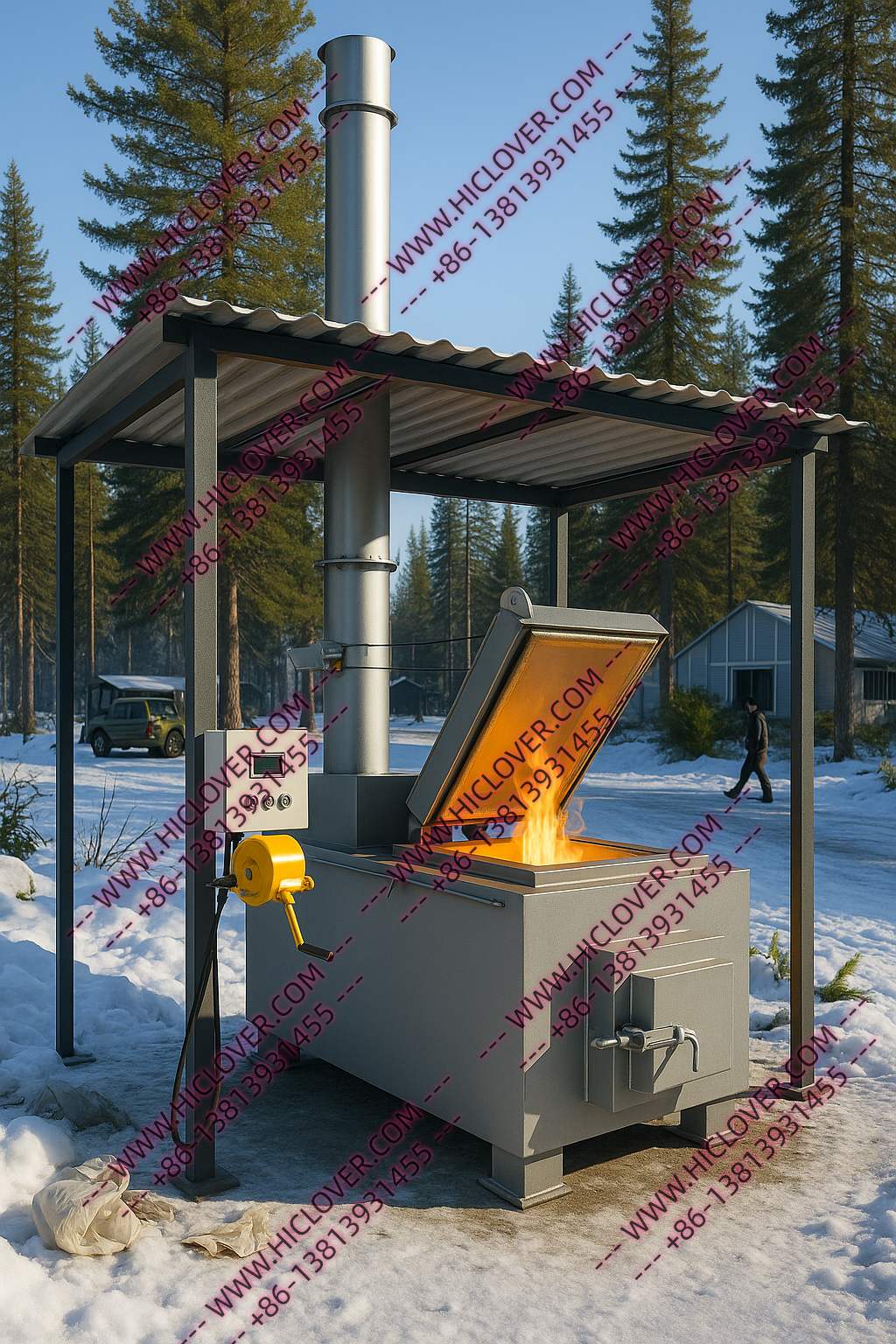
PLC Controlled Hospital Incinerator Systems in Daily Healthcare Operations In hospital environments, medical waste handling is not an abstract policy issue but a daily operational task. Used syringes, contaminated dressings, pathological residues, and expired pharmaceuticals must be treated quickly to reduce infection risk for staff and patients. In many facilities across Ghana, incineration remains a […]
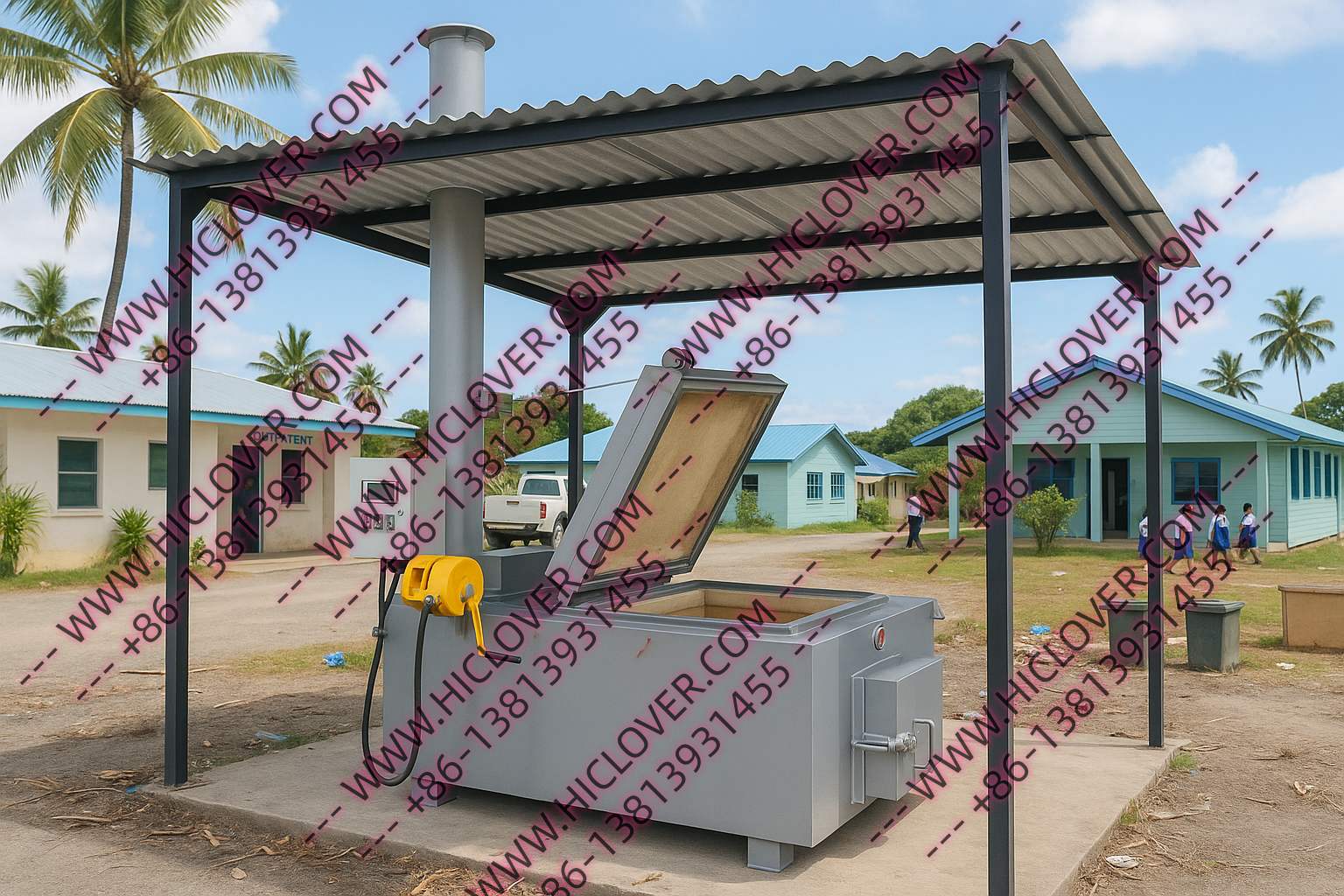
Medical Waste Incinerator Technical Documentation for Hospital Projects in Ghana Hospital waste management teams often begin their search not with equipment brands, but with technical documentation. For public hospitals, regional facilities, and EPC contractors, documentation defines whether a medical waste incinerator can be reviewed, approved, installed, and operated safely within an existing healthcare environment. In […]
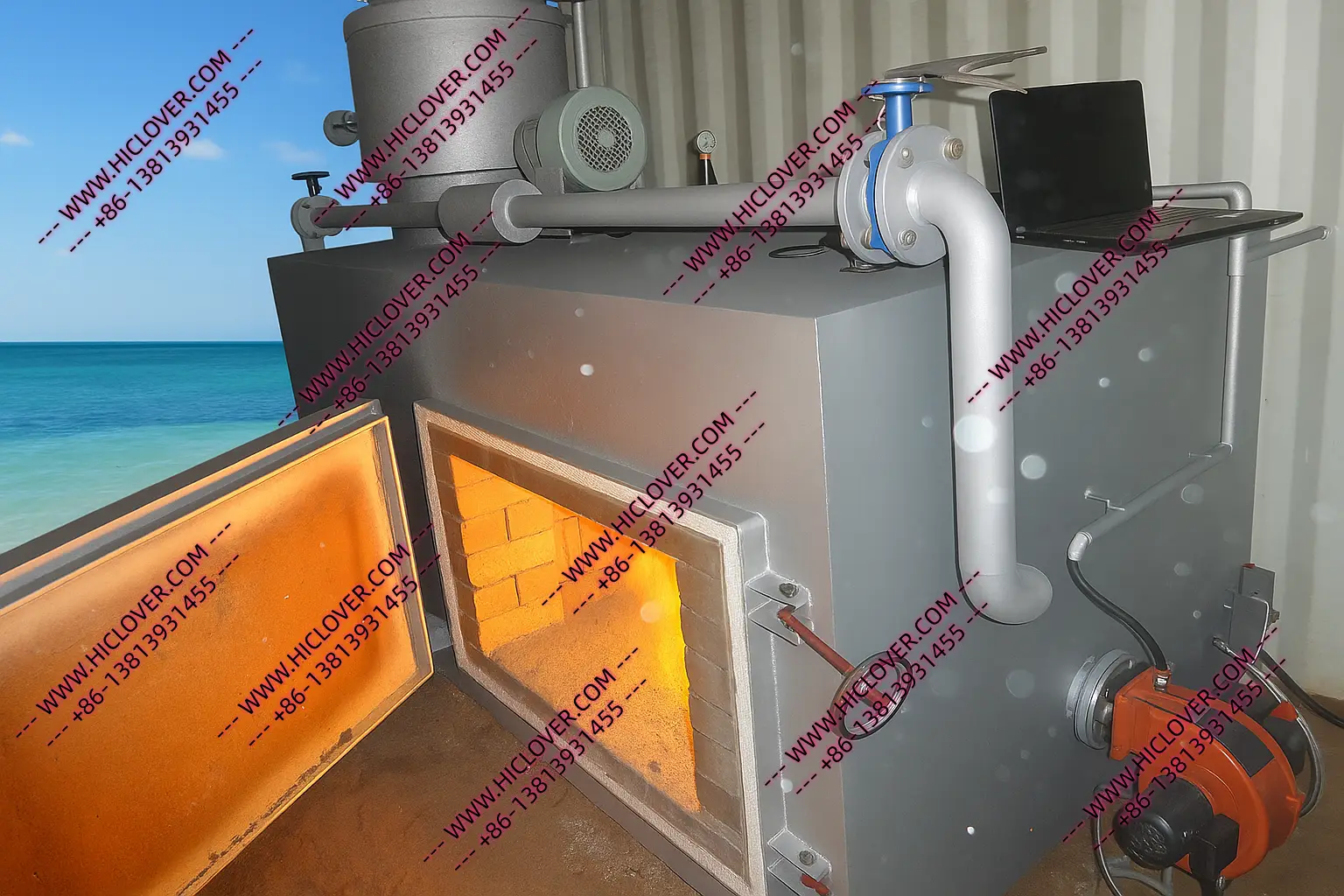
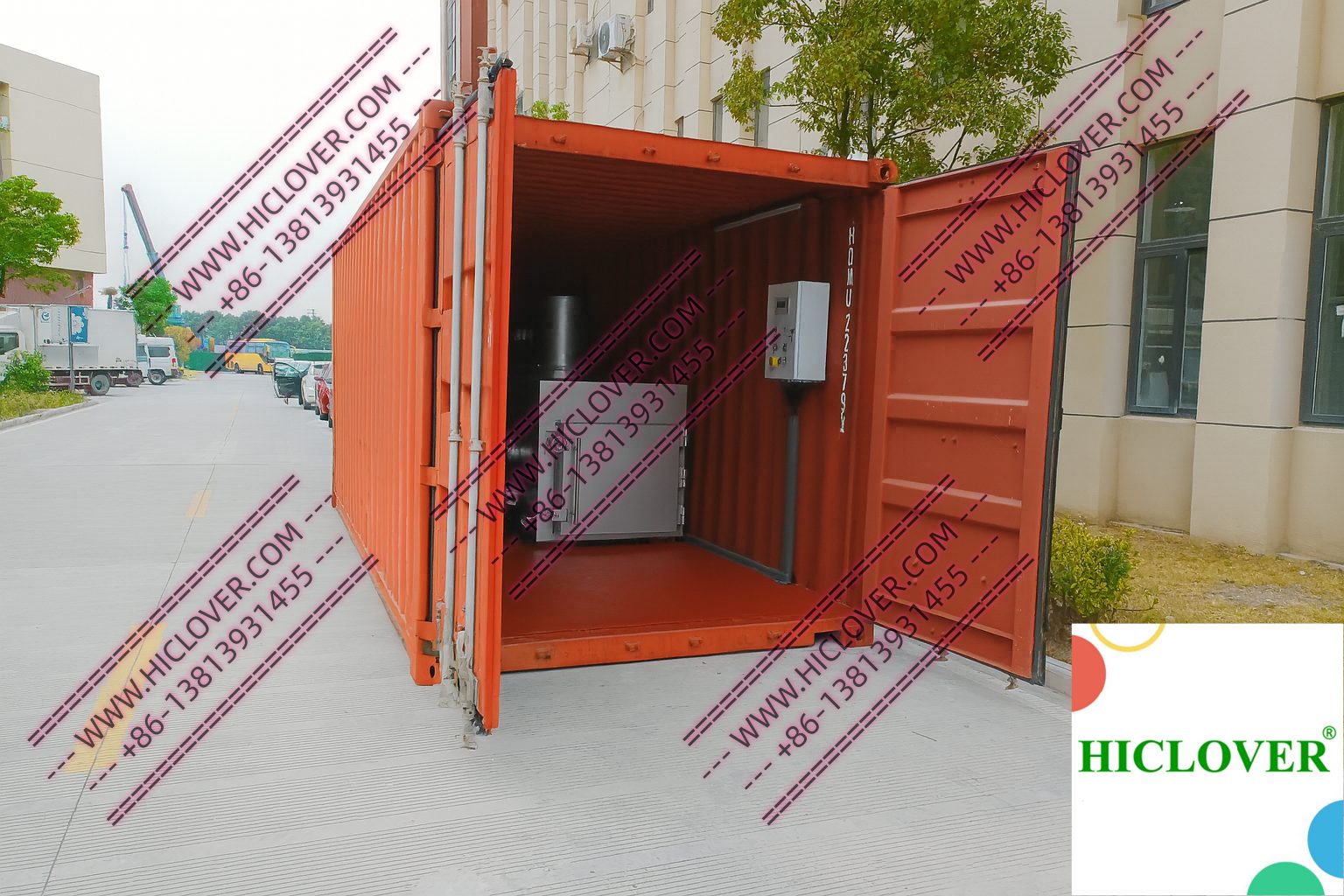
Containerized Hospital Incinerator Solutions for Ghana’s Healthcare Facilities Hospitals and clinics across Ghana manage a steady flow of infectious waste every day―used syringes, contaminated dressings, expired pharmaceuticals, and laboratory residues. These materials cannot be stored for long periods without increasing infection risk to staff and surrounding communities. In many facilities, especially outside major urban centers, […]
Medical Waste Incineration Guidelines in Ghana: Practical Considerations for Hospitals and Healthcare Facilities Healthcare facilities in Ghana manage a steady stream of infectious waste, including sharps, contaminated materials, pharmaceutical residues, and pathological waste. In daily hospital operations, the challenge is not only segregation and collection, but ensuring that final treatment methods are reliable, safe for […]