
Advanced Medical Waste Incineration Solutions for Mauritania’s Healthcare Sector Addressing the Growing Waste Management Challenge Mauritania’s healthcare system, like many in West Africa, faces increasing pressure to safely dispose of infectious and hazardous medical waste. With expanding vaccination programs, hospitals, and regional clinics, the demand for environmentally compliant incineration systems has never been greater. Traditional […]

Safeguarding Immunization and Health Waste Management Amidst Crisis in Afghanistan A Complex Landscape: Healthcare, Conflict, and Humanitarian Needs Afghanistan is confronting overlapping crises: enduring conflict, fragile healthcare infrastructure, and devastating natural disasters. The recent earthquakes in western provinces, along with ongoing internal instability, have further stressed basic public health systems. In such settings, ensuring safe […]
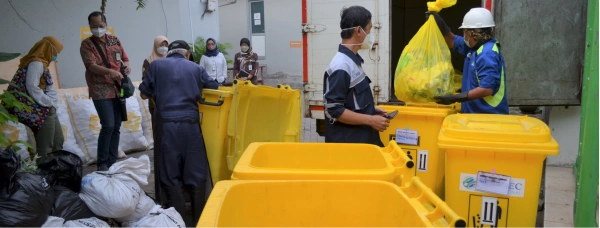
HICLOVER TS50 PLC: Supporting NEPI’s Mission for Safe Healthcare Waste Disposal in Afghanistan The Urgent Need for Safe Immunization Waste Treatment Afghanistan’s National Expanded Program for Immunization (NEPI) faces an ongoing challenge: how to manage the growing volume of sharps, glass vials, coolant packs, and packaging generated by nationwide vaccination campaigns. A UNICEF 2023 assessment […]

Building a Safer Future for Immunization Waste in Afghanistan with HICLOVER Solutions Healthcare Waste: A Critical Gap in Afghanistan Afghanistan’s immunization programs are a lifeline for millions of families in remote and underserved provinces. Yet, every successful vaccination campaign produces its own challenge: piles of sharps, glass vials, and contaminated packaging. Without proper treatment systems, […]
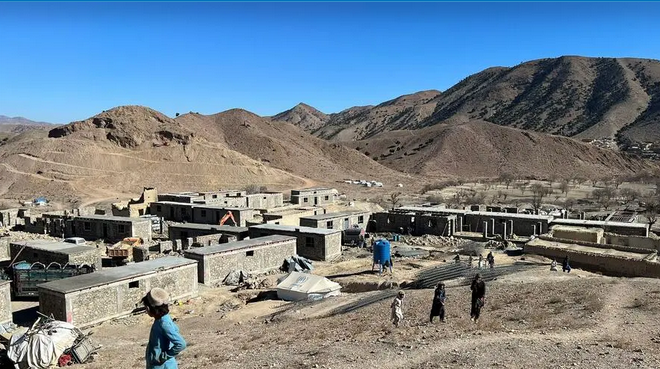
Strengthening Immunization Waste Management in Afghanistan with HICLOVER TS50 PLC Incinerators Addressing UNICEF’s Requirements for Safe Waste Disposal UNICEF’s recent call for safe healthcare waste treatment under the National Expanded Program for Immunization (NEPI) highlights the urgent need for robust, environmentally sound incineration solutions in Afghanistan. With more than 1,500 health facilities generating sharps, used […]

HICLOVER Medical Waste Incinerators for Afghanistan’s Expanded Immunization Program Safe medical waste management has become a critical priority for Afghanistan, particularly within the National Expanded Program for Immunization (NEPI). With vaccination campaigns generating thousands of sharps, used vaccine vials, and contaminated packaging every day, the need for reliable treatment equipment is urgent. UNICEF’s recent assessment […]

HICLOVER YD500 PLC Incinerator: High-Capacity Waste Treatment for Hospitals and Industrial Facilities In regions where reliable and large-scale waste treatment is essential, the HICLOVER YD500 PLC incinerator stands out as one of the most advanced solutions. Designed to handle challenging biomedical and industrial waste streams, this model combines high burn rate capacity, dual-chamber combustion, and […]

Containerized and Mobile Incineration Solutions for Healthcare and Hospitals in Africa As healthcare demands grow across Africa and other emerging markets, the need for reliable, high-temperature waste treatment systems is stronger than ever. HICLOVER has developed advanced containerized and mobile incinerator systems that combine efficiency, portability, and compliance with international emission standards. Solutions such as […]
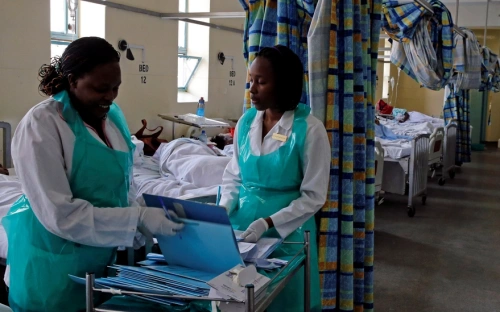
Kenya Hospital Waste Incineration Solutions with HICLOVER Safe medical waste management is a critical challenge in East Africa, where hospitals and health centers generate increasing volumes of infectious and pathological waste. In Kenya, this issue is even more pressing, as the country serves not only its own healthcare facilities but also acts as a hub […]
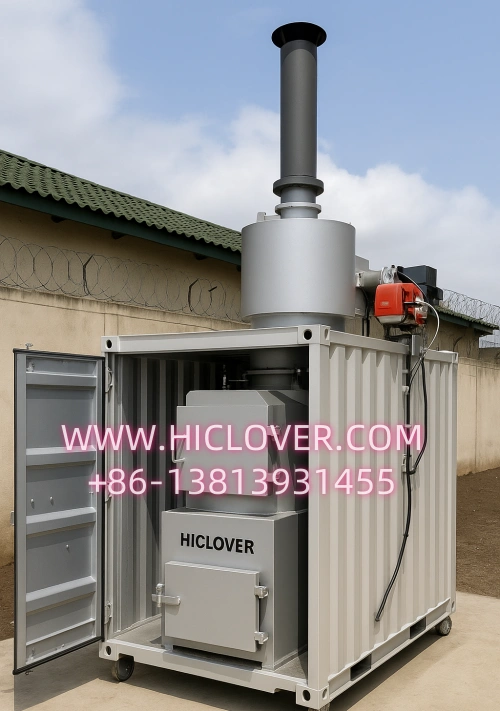
Kenya Incinerator Solutions for Hospitals and Humanitarian Camps with HICLOVER The growing healthcare sector in Kenya has highlighted the urgent need for reliable medical waste management solutions. Hospitals and clinics across Nairobi, Mombasa, and county-level facilities must handle infectious sharps, contaminated gauze, pharmaceutical residues, and pathological waste safely and sustainably. In this context, the demand […]