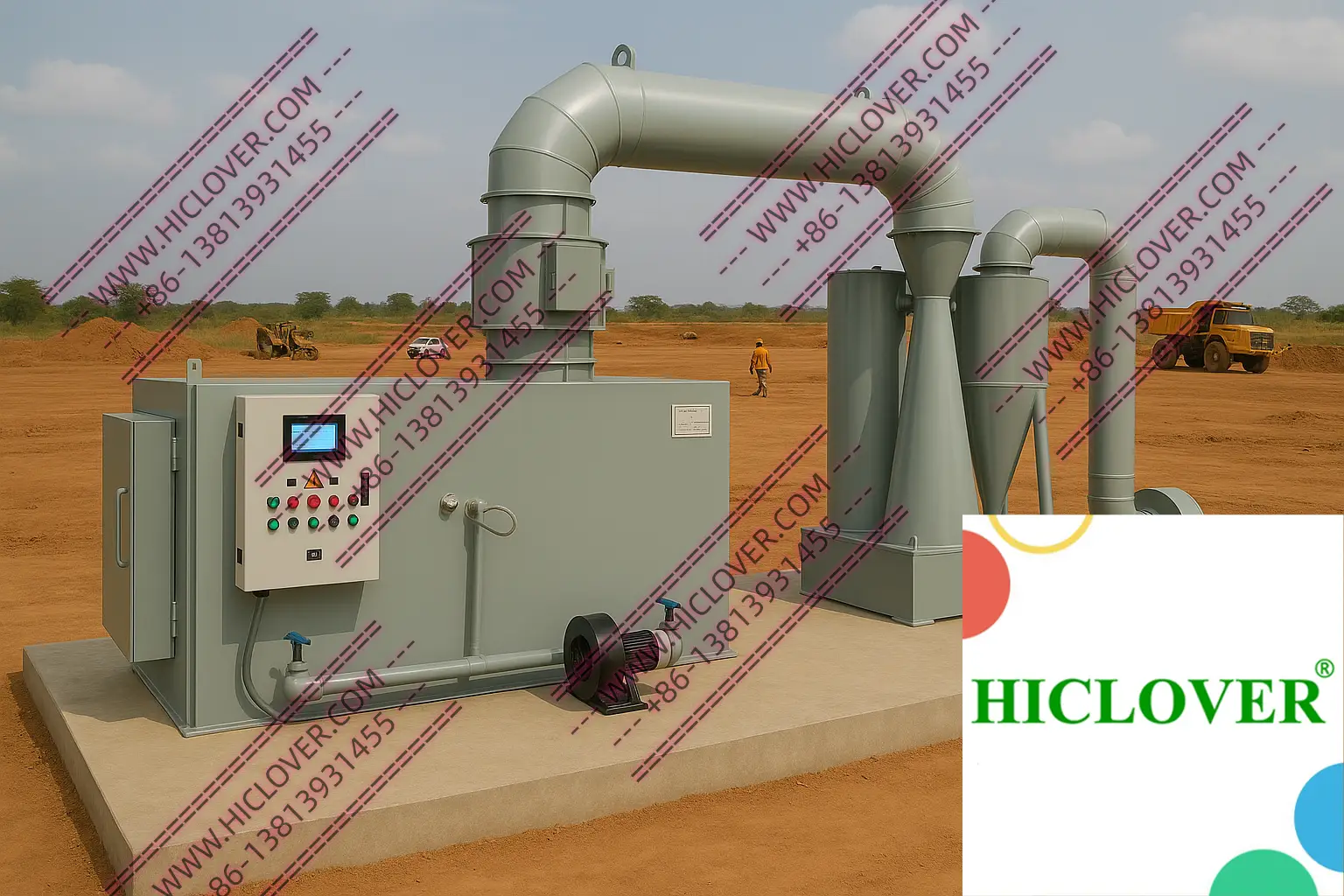
Guinea Waste Incinerator Market Report (2026 Outlook) — Focus on Conakry, Boké, Kankan, Kindia, Labé, Nzérékoré 1) Why Guinea’s incineration demand is rising now Guinea’s waste treatment market is being pulled in three directions at once: Fast-growing urban pressure in Conakry: municipal collection and disposal constraints typically translate into overflow at transfer points, informal dumping, […]

São Tomé and Príncipe Waste Incinerator Market Research Report (2025–2027) 1) Why incineration is a practical solution in São Tomé and Príncipe São Tomé and Príncipe is a small island country where waste management is shaped by limited land, coastal environmental sensitivity, and high logistics costs for any centralized treatment infrastructure. In São Tomé (the […]

Namibia Waste Incinerator Market Report: Market Characteristics, Demand Trends, and Suitability of Modern Incineration Technology 1. Overview of Namibia’s Waste Management Environment Namibia, with major cities such as Windhoek, Walvis Bay, Swakopmund, Oshakati, and Rundu, faces increasing pressures to modernize its waste-handling systems. Despite its relatively low population density, the country generates diverse waste streams […]

Democratic Republic of the Congo (DRC) Waste Incinerator Market Research Report (2025–2027) 1) Why the DRC market is structurally “incinerator-positive” In the Democratic Republic of the Congo (DRC), waste incineration demand is driven less by “policy preference” and more by operational necessity. The country’s scale, logistics, and uneven municipal services make on-site treatment the most […]

Central African Republic (CAR) Waste Incinerator Market Research Report (2025) 1) Country context and why incineration matters in CAR The Central African Republic (CAR) faces a waste-management reality shaped by three overlapping factors: fragile infrastructure, humanitarian operations, and public-health risk. In Bangui, daily municipal waste pressure is visible in collection gaps and informal disposal patterns, […]
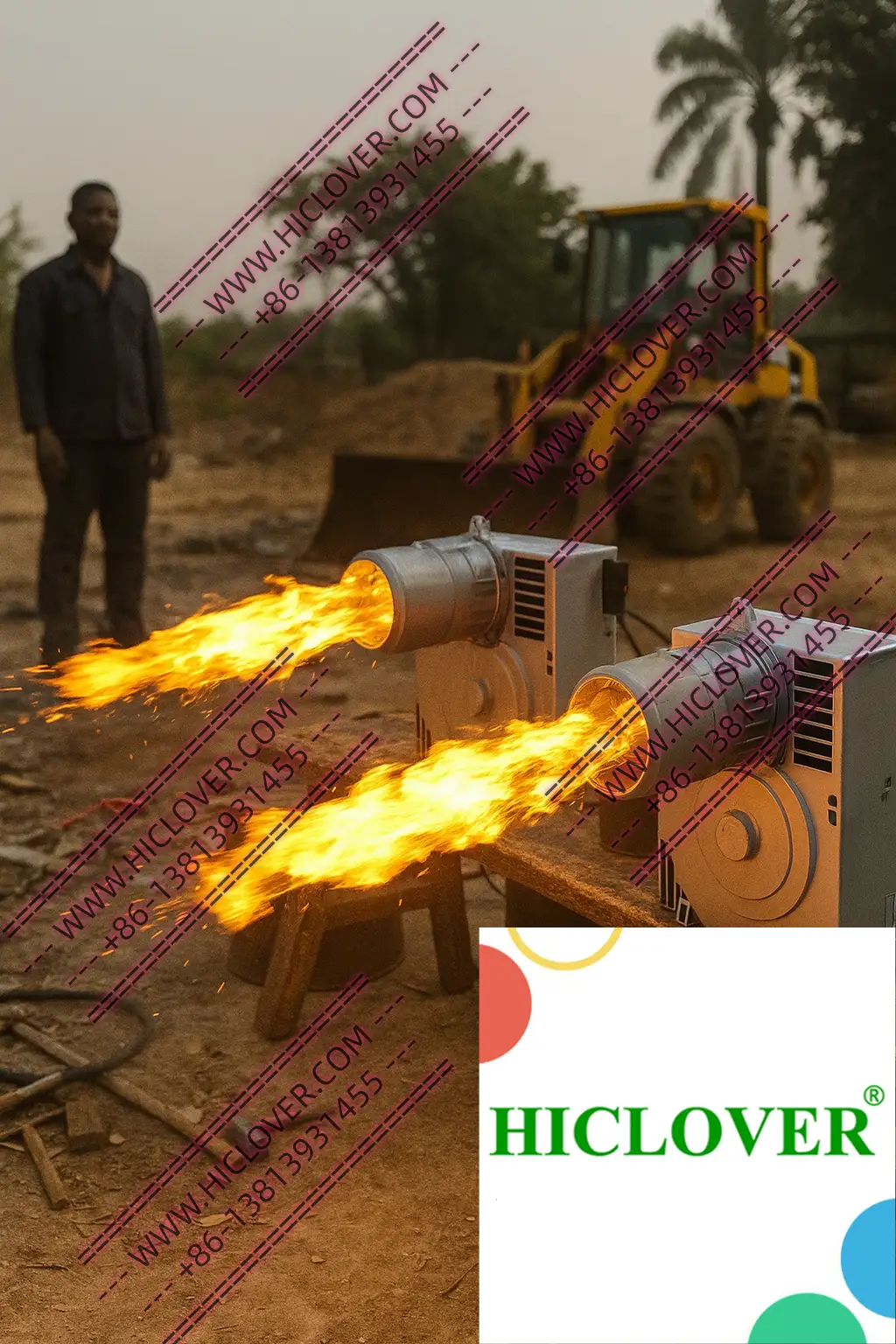
Cabo Verde Waste Incinerator Market Report: Island Logistics, Tourism Pressure, and Healthcare Waste Compliance (Praia – Mindelo – Santa Maria – Assomada – São Filipe – Porto Novo) 1) Market snapshot: why Cabo Verde is a “small-island, high-visibility” incineration market Cabo Verde (Cape Verde) behaves differently from large mainland waste markets. Demand is shaped by […]
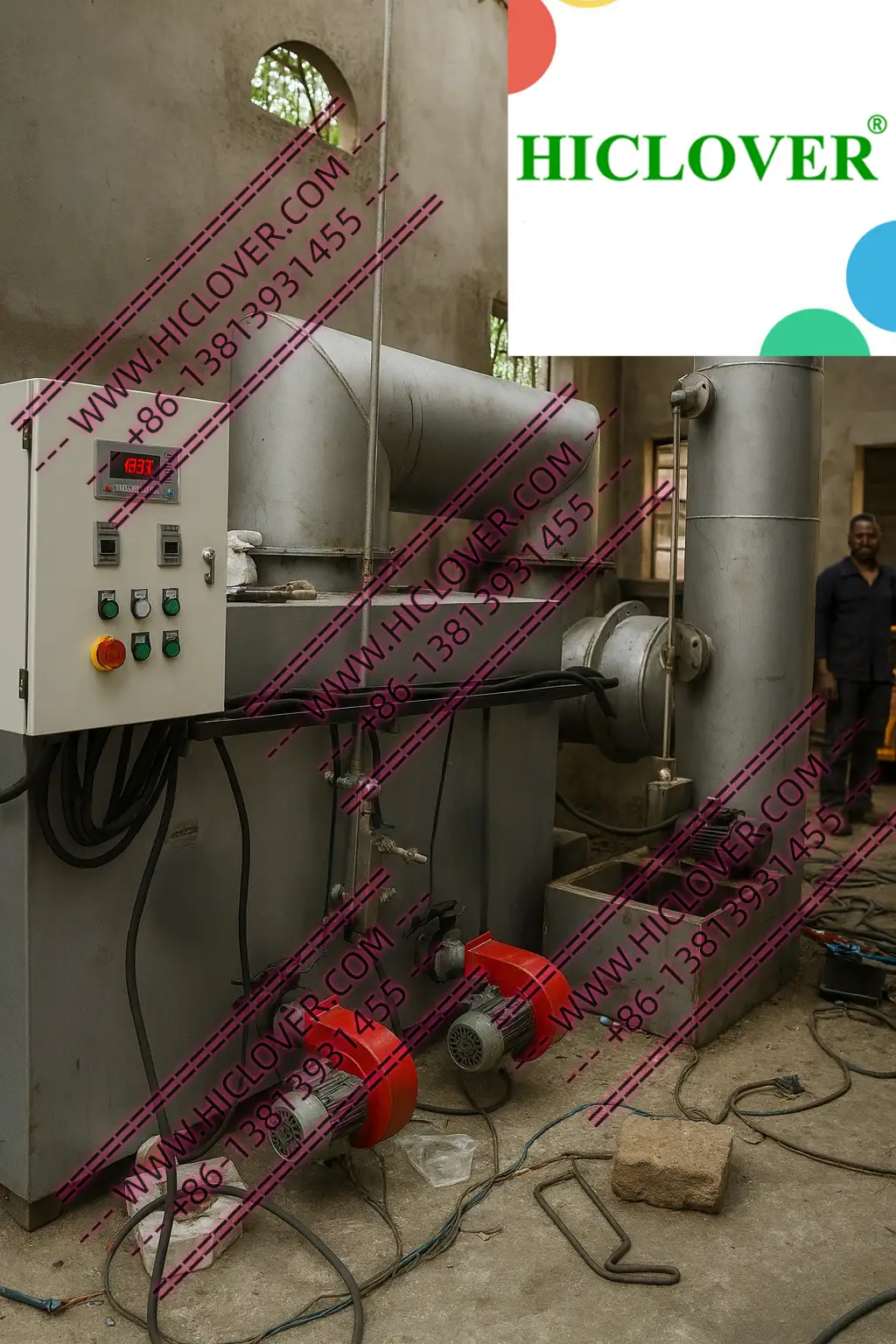
Botswana Waste Incinerator Market Report: Healthcare-Driven Demand, Landfill Pressure, and Deployment Scenarios (Gaborone – Francistown – Maun – Kasane – Selebi-Phikwe – Lobatse – Jwaneng) 1) Market snapshot: why Botswana is a “regulated, landfill-stressed, healthcare-led” incineration market In Botswana, incinerator demand is shaped by two overlapping forces: Landfill and collection constraints near major urban centers, […]

Senegal Waste Incinerator Market Report: Urban Pressure, Healthcare Demand, and Practical Treatment Solutions (Dakar – Thiès – Saint-Louis – Kaolack – Ziguinchor) 1. Market overview: why Senegal is a “fast-urbanizing, regulation-driven” incineration market Senegal is one of West Africa’s most structurally organized waste markets, driven by rapid urbanization, healthcare expansion, and increasing involvement of international […]

Seychelles Waste Incinerator Market Report: Island Constraints, Tourism Pressure, and Practical Treatment Paths (VictoriaCMahéCPraslinCLa Digue) 1) Market snapshot: why Seychelles is a “Small Island, high-visibility” waste market In Seychelles, solid waste management is shaped by realities that are very different from large mainland countries: Land scarcity makes long-term landfilling politically and physically difficult. Tourism brand […]
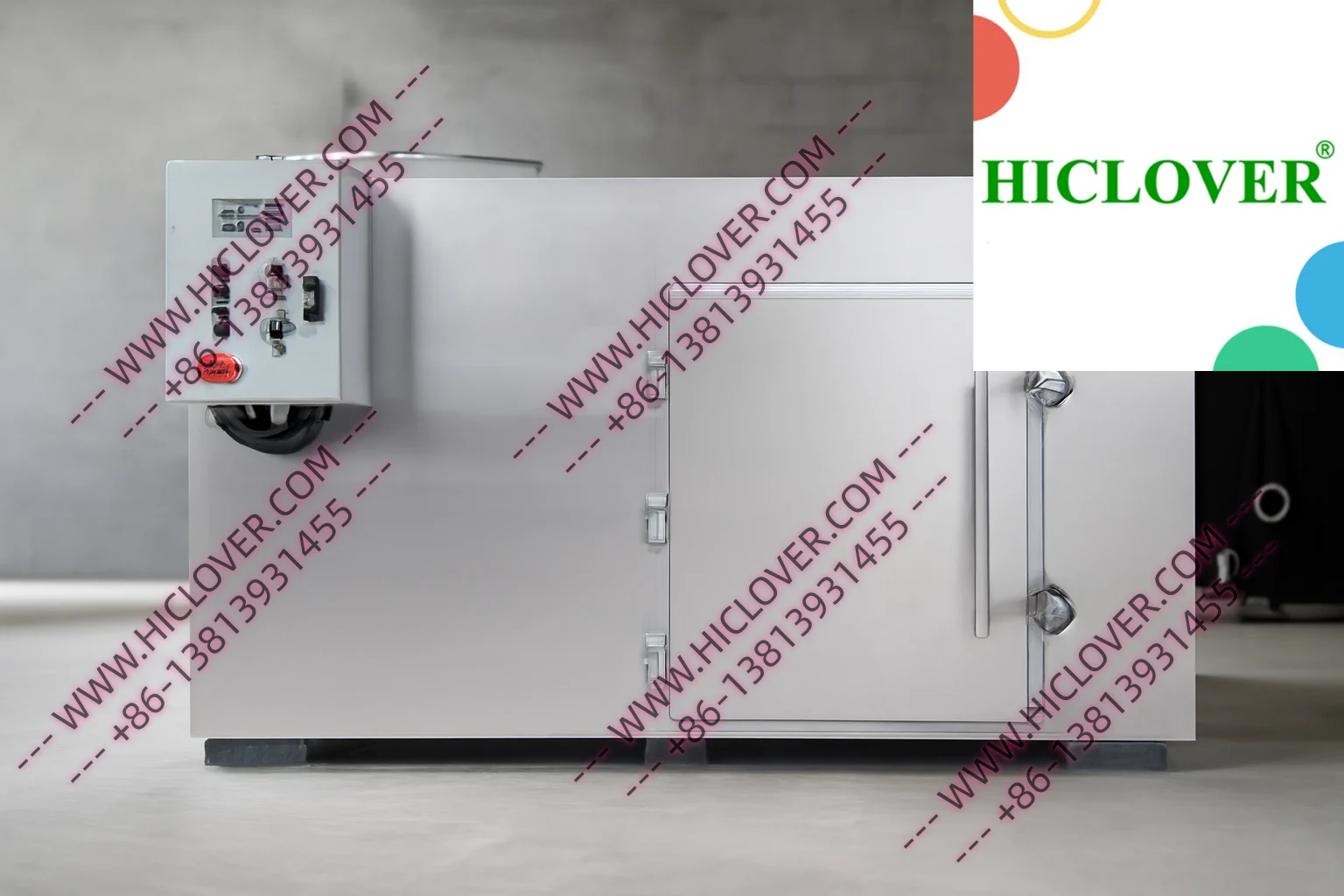
Sierra Leone Waste Incinerator Market Report: Local Drivers, Demand Hotspots, and Procurement Reality (FreetownCBoCKenemaCMakeni) 1) Executive view: why Sierra Leone is a “health-risk + urban-dumping” incineration market Sierra Leone’s incinerator demand is shaped less by large municipal “waste-to-energy” debates and more by practical pressures: infectious healthcare waste control, urban dumping constraints, and donor/UN-led hygiene programs. […]